



In the wake of the Andrew McConnon horse abuse case decision and other issues facing our sport, the EN team has penned some opinion pieces to share with our readers. You can read our full breakdown of the McConnon case here.
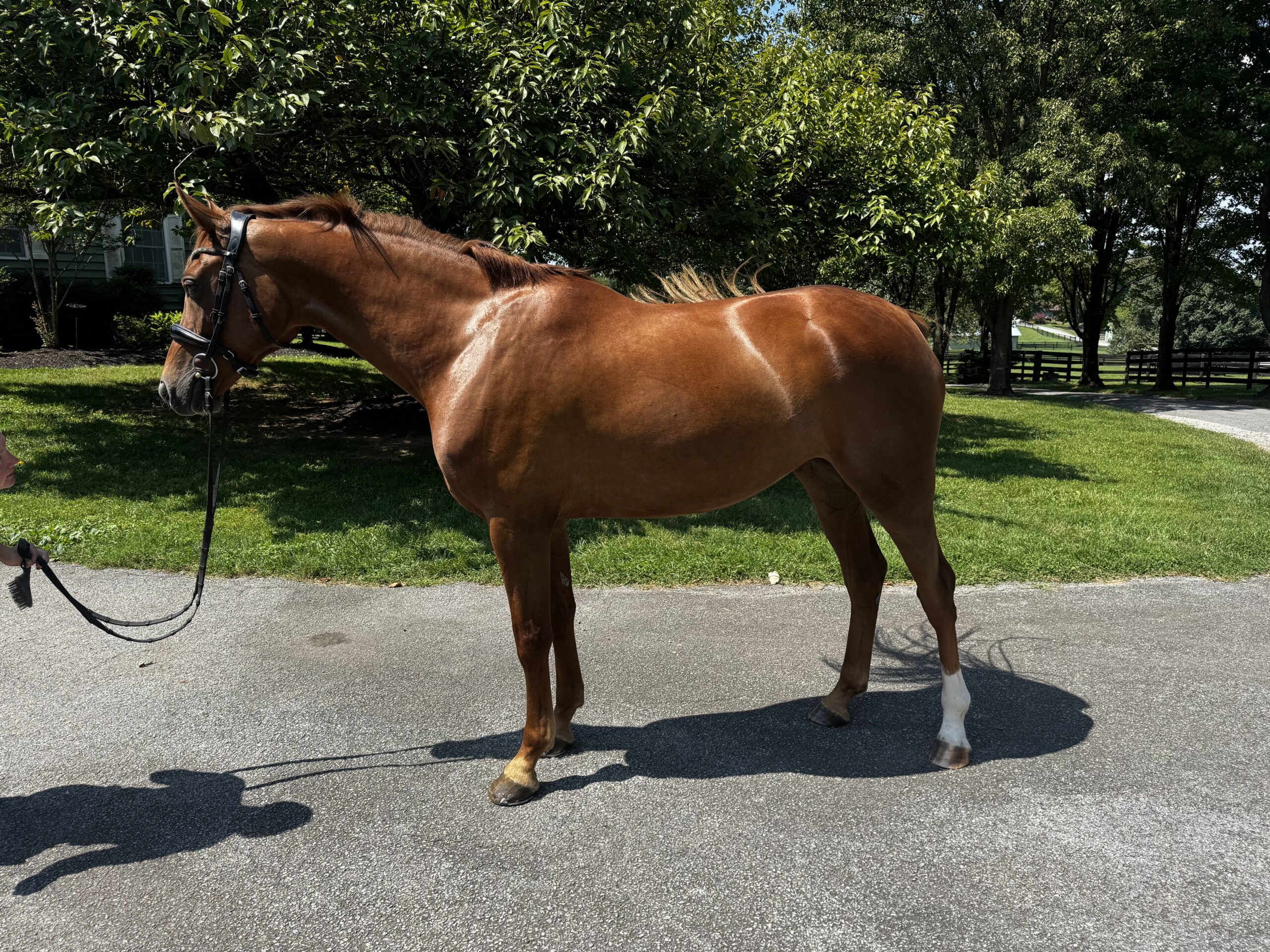
My horse, Ronnie, who I work to advocate for and do right by each day. Photo by Something From The Hart, used with permission from Sabre Holistics.
Having been paying attention to the fallout from the Andrew McConnon case, one thing that’s stood out for me in the social media comments is the anger that this is happening in a sport that we love – to a sport that we love. That eventing – an equestrian discipline that prides itself on the partnership between horse and rider – is fallible to the worst side of horse sport is so very disappointing, and so very sad.
There are obviously many thoughts, opinions and emotions raised by these events, and although the trial has happened and sanctions have been imposed, it seems developments are ongoing. Eventing has been the longest love affair of my life and so of course, I’m full to bursting with feelings. There are many things to say about the process which determined the sanctions Andrew has been given, as well as about the events that led to the allegations, but for the purposes of this piece, I’m going to focus on what struck me the most profoundly: as a woman and a mom to a young woman, it’s impossible not to read the report and wonder about the way the FEI witnesses’ statements were treated. All seven of those witnesses were women, and at least over half could be considered as being in a vulnerable position during their experiences with Andrew, due to circumstances such as their age (two were stated to be in their early-20s, one younger), and/or being dependent on him for their work (and therefore, arguably, their professional reputation), living arrangements and/or the board of their horses.
This context is important when we look at the magnitude of what their coming forward meant. Andrew is a professional rider at the highest level of the sport, thus, we can probably assume, having influence within the equestrian community. He clearly has access to legal representation as well as professionals of high stature within the sport willing to stand with him (for example, the witnesses for the Respondent included a fellow 5* rider and a Licensed Official). The FEI witnesses came forward with potentially career-ending information, perhaps even criminal allegations of horse abuse. It was a big deal for them to speak out and the consequences – on both sides – were huge.
In a sport which boasts a level playing field between men and women competing as equals, the above surely feels rather inequitable. Of course, this is circumstantial, however when we remember what should have been the primary concern of the trial, horse welfare and the protection of horses, I would have liked things to be a lot fairer in terms of seeking out the truth of the matter in hand – clear abuse of multiple horses.
Reading through the cross-examination of the witnesses and the Panel’s assessment of their statements, much was made of inconsistencies, discussion with other witnesses and alleged collaboration between them, and the generality with which the offences were described, all of which ultimately led to them being discredited, on the whole.
Sure, in an ideal situation, each witness would have come forward with a bank of indisputable video evidence, time and date stamped and clearly showing Andrew’s face, but with the added complexities of NDAs, phones being banned from premises, and where they are present, potentially being checked for any incriminating evidence, this seems unlikely at best, particularly in situations where the perpetrator is described as having a volatile nature, as is the case with Andrew. We’re talking about women who were in some cases, subordinates to Andrew and it would be absolutely unreasonable to suggest that the people who are best placed to witness horse abuse, working students and grooms, for example, would have free access to film misdemeanours without repercussions.
Is it understandable that those who came forward with allegations sought support from one another, although this is claimed to be minimal by at least one witness after the fact, given the seriousness of what they were bringing to light, including being called to trial? Of course it is. Is it logical that witness statements will show similarities? Well, yes, if the witnesses have observed similar actions and behaviors; automatically assuming that collaboration has taken place is injudicious. And is it reasonable that the witnesses’ recollections aren’t perfectly put-together, watertight statements? Actually, yes.
Their evidence, and the problems found with it, in my opinion, rings true for those who have been involved in some kind of abusive/unequal relationship. I have first-hand experience of such, both in the horse world and in my personal life, and I find it completely plausible for the statements to be somewhat disorganised and perhaps lacking specific detail. But those failings don’t make them untrue and it certainly doesn’t mean they should be discredited, almost across the board (just one from seven witnesses was deemed to have moderate weighting, two minimal and four no weight at all).
We need robust reporting systems that genuinely protect the horses as well as the people advocating for them, systems which negate the need for people to turn to social media in an effort to be heard.
We need support systems in place which help witnesses to navigate the process, with guidance in the presentation of their evidence, and a guarantee that they will be treated fairly and with integrity.
I would like to see a more holistic approach to evidence gathering, including the option to raise concerns anonymously, and both verbal and written statements holding equal merit, with witnesses able to use the method they are most comfortable with. And what about the horses involved? There are methods to ascertain whether horses are holding trauma, or other indications that they are suffering or have suffered abuse, and a host of professionals who can weigh-in on such matters. In short, we need comprehensive investigations from all angles, with less focus on trying to discredit evidence, and the whole intention on the primary goal of protecting the horse. And we need riders who make their living from horses visibly on board.
I recently saw a Facebook post made by a backyard pony owner who had been visited by a welfare officer after a concern was raised by a member of the public. It turned out, the person who had made the call wasn’t knowledgeable in horse care and didn’t know that healthy, unclipped native ponies are fine to live outside without blankets, with optional shelter, during the winter. The horse owner welcomed the concern and the visit, saying that she’s glad that the public are looking out for horses. If you’ve nothing to hide, there’s nothing to worry about.
I’m not saying that everyone should have a squeaky clean history of horsemanship and should be condemned if that’s not the case; working with and learning about horses is a lifelong journey and we’re all human, we make mistakes. When we know better, we do better. But when abuse is clear, it must be dealt with thoroughly and fairly and without any leniency, regardless of the means and how many friends in high places the abuser may have. The fact that we’re having to advocate for a horse-first approach to dealing with abuse is, frankly, extremely worrying. It should be a given, not something to aspire towards.
There are enough truly great people in eventing to be inspired by, to learn from, to try and emulate, that the good can surely overcome the very bad things we’ve seen, and are seeing. I pin my hopes on that. And I hope that the people with the power to enact change are listening, and will facilitate ways for the eventing community and the general public to feel confident that the governing bodies are truly committed to protecting horses.